
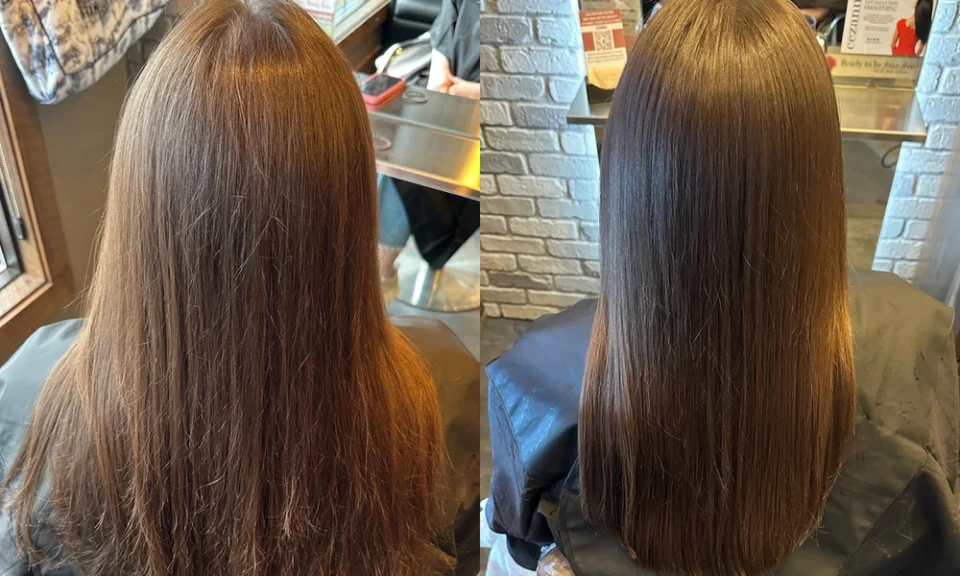
Glossy, frizz-free hair can be tempting, but not all salon treatments are created equal when it comes to safety. The confusion between “hair smoothing” and “keratin treatment” is not just a matter of buzzwords; it can have real consequences for both clients and stylists. Understanding the history, chemistry, and evolving safety standards behind these services helps you make an informed decision before your next appointment.
The Origins of Keratin Treatments
Back when keratin treatments first hit the scene, stylists and clients were blown away by the promise of pin-straight hair that lasted for months. The earliest versions of these treatments used potent formulas that delivered dramatic transformations, flattening curls and waves into glassy sheets.
Early Definitions and Uses
Keratin treatments were originally introduced as a way to infuse hair with keratin protein and “lock it in” using high heat. The aim? Uniformly straight hair, achieved by breaking down the hair’s natural texture and smoothing it into submission.
The Rise of Formaldehyde-Based Formulas
Behind the scenes, many of those miraculous results owed their power to formaldehyde or formaldehyde-releasing ingredients. Under the heat of a flat iron, these chemicals set the hair into its new shape. Although the shine and straightness were impressive, the chemical fumes were not.
Initial Popularity and Dramatic Results
Clients flocked to salons for these treatments, but the popularity came with a hidden cost. Stinging eyes, headaches, and a lingering chemical smell became all too familiar, sparking questions about what was really being inhaled during those hours in the salon chair.
Safety Concerns and Industry Pushback
As word spread about the risks associated with formaldehyde exposure, the beauty industry faced mounting scrutiny. What once seemed like a beauty miracle quickly turned into a public health debate.
Health Risks Linked to Formaldehyde Exposure
Formaldehyde is a known irritant and a suspected carcinogen. Salon staff exposed to fumes day after day faced higher risks of respiratory problems, skin irritation, and in rare cases, long-term health consequences. Even clients, exposed for only a few hours, reported watery eyes and difficulty breathing.
Regulatory Responses and Ventilation Issues
Regulators began investigating these treatments, and some regions issued warnings or outright bans on the use of formaldehyde in hair products. Meanwhile, salons scrambled to improve ventilation, but eliminating exposure entirely proved nearly impossible with the traditional formulas.
Impact on Salon Staff and Client Safety
These safety concerns forced a reckoning. Stylists sought alternatives that would not jeopardize their health or their clients’ comfort, fueling the demand for new solutions.
The Emergence of Modern Hair Smoothing Treatments
From this upheaval arose a new generation of hair smoothing treatments. Unlike their predecessors, these modern formulas prioritized safety alongside performance.
Reformulated, Formaldehyde-Free Alternatives
Today’s professional smoothing systems have swapped out the harsh chemicals for multi-protein blends that tame frizz and boost shine, all without releasing toxic fumes. Many brands now advertise “formaldehyde-free” as a primary selling point, reassuring clients about air quality.
Multi-Protein Systems and Conditioning Benefits
Beyond safety, new smoothing treatments also focus on hair health. Instead of merely coating each strand for a temporary fix, these systems condition as they smooth, leaving hair stronger and more resilient.
How New Treatments Offer Customizable Texture
Unlike the one-size-fits-all results of classic keratin treatments, modern smoothing services give stylists more control. By adjusting processing time and flat iron passes, they can dial in results from frizz reduction to subtle wave relaxation or full sleekness.
Comparing Traditional Keratin Treatments and Modern Smoothing
When comparing the two approaches, several practical distinctions matter most for safety and outcome.
| Feature | Traditional Keratin Treatment | Modern Hair Smoothing Treatment |
|————————–|——————————|————————————-|
| Main Chemical | Often contains formaldehyde | Formaldehyde-free |
| Result | Pin-straight hair | Customizable texture control |
| Impact on Hair Health | Can dry or damage hair | Conditions and strengthens |
| Air Quality | Potentially harmful fumes | Safer for staff and clients |
| Fade/Regrowth | Obvious line of demarcation | Softer, less visible fade |
For those who want more detail, this hair smoothing vs keratin treatment breakdown provides a technical side-by-side comparison.
Communicating the Differences to Clients
Salons can avoid misunderstandings and safety mishaps by clearly explaining what each service offers and what it does not.
A simple, effective answer might sound like this: “A traditional keratin treatment forces hair straight and can contain harsh chemicals. Our smoothing system, on the other hand, lets you keep your natural curl or go sleek, all while using formaldehyde-free ingredients for a safer, more comfortable experience.”
Practical Salon Considerations and Client Consultation Tips
Seeing is believing. Show clients before-and-after photos, especially those where texture is preserved rather than erased. Well-trained staff who can confidently answer questions about ingredients, aftercare, and how long effects last will keep clients at ease.
Common client questions often include:
– Will my curls disappear?
– Is it safe for color-treated hair?
– How long before I can wash my hair?
– Will the treatment damage my natural texture?
Stylists who respond clearly keep bookings. Those who hesitate risk losing trust.
The Future of Hair Smoothing and Keratin Treatments
As clients become more ingredient-conscious and value health as much as style, the industry is trending toward even safer, more flexible formulas. Salons that invest in education, both for staff and clients, stand to thrive. Explaining the real differences and prioritizing safety is not just good practice, it’s good business.
Choosing between hair smoothing and keratin treatment comes down to more than just style. With the right knowledge, you can enjoy beautiful hair without compromising your health or peace of mind.
