
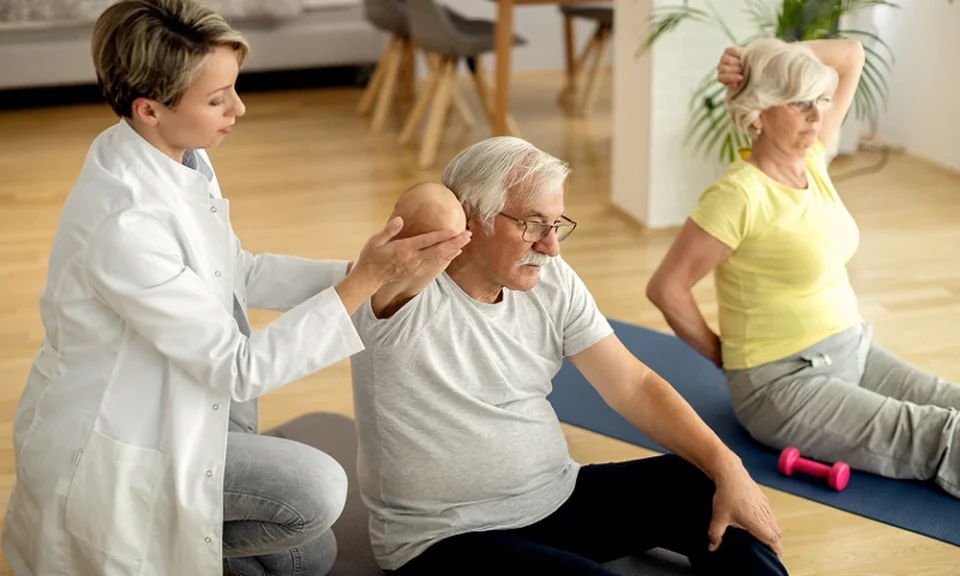
Maintaining physical independence and mobility becomes a top priority as we age. However, travelling across town to a busy clinic often feels exhausting and overwhelming for older adults. Navigating public transport, waiting in crowded waiting rooms, and rushing through appointments can quickly drain an older person’s energy before their actual exercise session even starts. Fortunately, modern healthcare offers a far more comfortable, effective alternative. Bringing physiotherapy at home for seniors can help build strength and balance within their familiar home surroundings.
Weaving Mobility directly into Everyday Morning Routines
The secret to successful physical rehabilitation lies in consistency, not intensity. When therapists design exercises around existing daily habits, movement feels like a natural part of the day rather than a chore.
A skilled therapist integrates functional movements into ordinary morning activities:
- Kitchen Counter Stretches – Seniors perform gentle calf raises and side-leg lifts while waiting for the morning kettle to boil.
- Armchair Sit-to-Stands – Practising rising safely from a favourite armchair builds vital leg strength for daily independence.
- Hallway Balance Walks – Walking heel-to-toe down a well-lit corridor improves coordination before stepping outside.
- Seated Shoulder Rolls – Gentle upper-body mobility exercises during morning news broadcasts ease joint stiffness.
By choosing physiotherapy at home for seniors, healthcare professionals assess real-world living spaces and turn ordinary furniture into safe, effective exercise tools.
Transforming the Home Environment into a Safe Rehabilitation Space
Clinics present sterile, controlled environments that rarely mirror the real-world obstacles older adults face at home. Steep stairs, soft rugs, and low sofas often present unique mobility challenges that standard clinic visits simply cannot address.
When specialists deliver geriatric home care, they observe firsthand how a person moves through their personal space. They identify potential fall hazards, adjust furniture layouts, and teach safe techniques for navigating specific doorways or bathroom thresholds.
Moreover, receiving personalised physiotherapy at home for seniors builds genuine confidence. Practising stair navigation or bed transfers in the exact environment where those movements happen daily delivers faster, more practical results.
Customising Exercise Schedules Around Peak Energy Levels
Fluctuating energy levels affect many older adults throughout the day. Chronic pain, medication schedules, and natural fatigue patterns mean that a fixed mid-morning clinic appointment might catch a senior at their physical worst.
Professional geriatric home care provides the flexibility to schedule sessions when older adults feel most alert and energetic. Whether a senior feels best during early mornings or after a light afternoon rest, home sessions adapt to the individual’s natural rhythm.
Working during peak energy windows maximises exercise performance and reduces injury risk. As a result, older adults enjoy more productive sessions and experience less post-exercise fatigue.
Reclaiming Independence and Joy in Everyday Living
Ultimately, the true goal of physical rehabilitation is not just completing repetitive exercises; it is regaining the freedom to enjoy life fully. Whether an older adult wants to tend their garden, play with grandchildren, or walk independently to the local shop, tailored physical support makes those dreams achievable.
Blending rehabilitation into daily life removes the stress of travel and replaces it with empowering, practical progress. When seniors feel safe and supported in their own homes, they maintain their dignity, health, and independence for years to come.
Frequently Asked Questions
How many times a week should a senior receive home physiotherapy?
Most seniors benefit from two to three structured therapist visits per week, combined with short, safe daily exercise routines recommended by their practitioner.
Do family members need to attend home sessions?
While family members do not need to attend every session, having a relative or caregiver present helps them learn safe assisting techniques and offer daily encouragement.
What equipment does a senior need for home physiotherapy sessions?
Therapists bring essential lightweight equipment such as resistance bands and balance pads, utilising everyday household items like chairs and countertops for functional training.
Help your loved ones stay active, independent, and safe in the comfort of their own home. Contact The Home Physio today to book your initial home consultation.
