
Key Takeaways
- A successful recovery starts with an accurate diagnosis and a clear surgical or non-surgical plan.
- Physical therapy is a vital component of the healing process, both before and after an operation.
- Returning to sports too early can lead to re-injury and long-term joint instability.
Introduction
An injury to the Anterior Cruciate Ligament (ACL) is one of the most common and daunting setbacks for active individuals. Whether it happens during a football match or a sudden fall, the impact on your mobility is immediate. The first step toward recovery is consulting a qualified orthopaedic doctor in Singapore who can assess the extent of the damage. They will guide you through the initial phase of reducing swelling and restoring basic movement. Understanding that recovery is a marathon, not a sprint, is essential for a successful outcome. With the right medical support, most patients can return to their previous levels of activity.
1. Expectations on the Surgical Process
For many active individuals, ACL surgery in Singapore is the most effective way to restore stability to the knee. The procedure typically involves replacing the torn ligament with a graft, often taken from the patient’s own hamstring or patellar tendon. Modern surgical techniques are minimally invasive, using small cameras and instruments to perform the reconstruction. This precision allows for better graft placement and a more natural feeling in the joint once healed. Your surgeon will discuss the various graft options with you to determine which is most suitable for your age, activity level, and lifestyle.
2. The Importance of Pre-habilitation
Many people are surprised to learn that physical therapy often begins before the actual surgery. This “pre-hab” phase focuses on reducing inflammation and strengthening the muscles around the knee, particularly the quadriceps and hamstrings. Having a strong foundation before the operation can significantly improve the speed and success of your post-operative recovery. It also ensures that you have the full range of motion back before the surgical intervention, which reduces the risk of stiffness and scar tissue formation later on.
3. The Roadmap of Post-Operative Rehabilitation
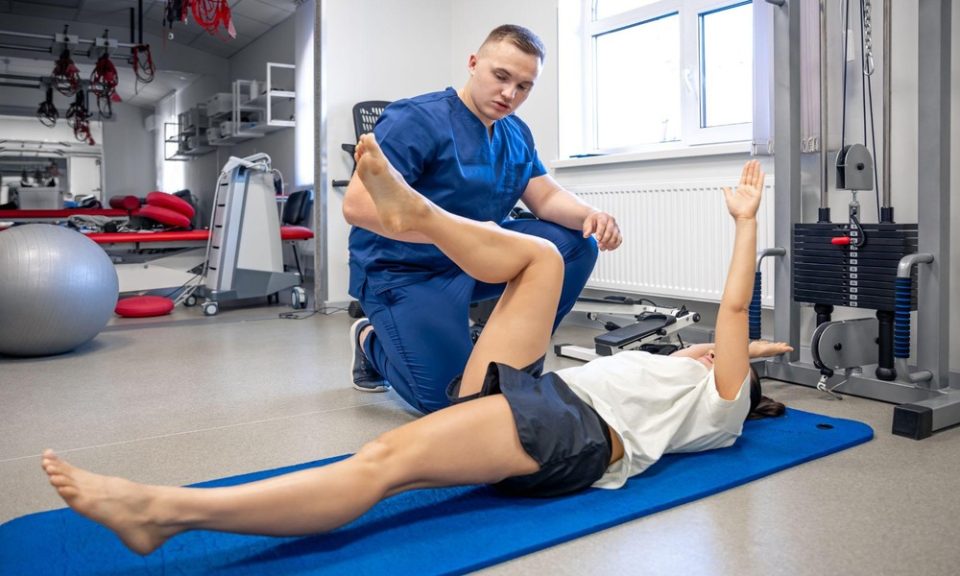
After the procedure, the real work begins. Rehabilitation is usually divided into several phases. The first few weeks after ACL surgery in Singapore are dedicated to protecting the graft, managing pain, and slowly regaining the ability to straighten the leg. As the weeks progress, you will move on to weight-bearing exercises and balance training. It typically takes several months before you can begin jogging or performing lateral movements. Throughout this time, your medical team will monitor your progress closely, adjusting your exercise routine to ensure that the knee is healing correctly and that the muscles are supporting the joint properly.
4. Returning to Play Safely
The final goal for most patients is a return to sports or high-impact activities. This transition must be handled with extreme care. Your doctor will use specific functional tests to measure your strength and stability compared to your uninjured leg. Passing these tests is crucial before you are cleared for competitive play. Jumping back into intense activity too soon is a leading cause of graft failure. By following a structured and supervised plan, you can regain your confidence and ensure that your knee remains healthy for the long term.
Conclusion
Dealing with a major injury is challenging, but it is also an opportunity to build a stronger and more resilient body. By following the advice of experts and staying committed to your rehabilitation, you can overcome this hurdle and get back to doing what you love. Whether you require ACL surgery in Singapore or a non-surgical management plan, staying proactive is the key to success. Seeking the guidance of an experienced orthopaedic doctor in Singapore ensures that you receive the most advanced care available for your specific condition.
Contact Auspicium Orthopaedic Centre to consult with our specialists about your knee health and recovery options.
