
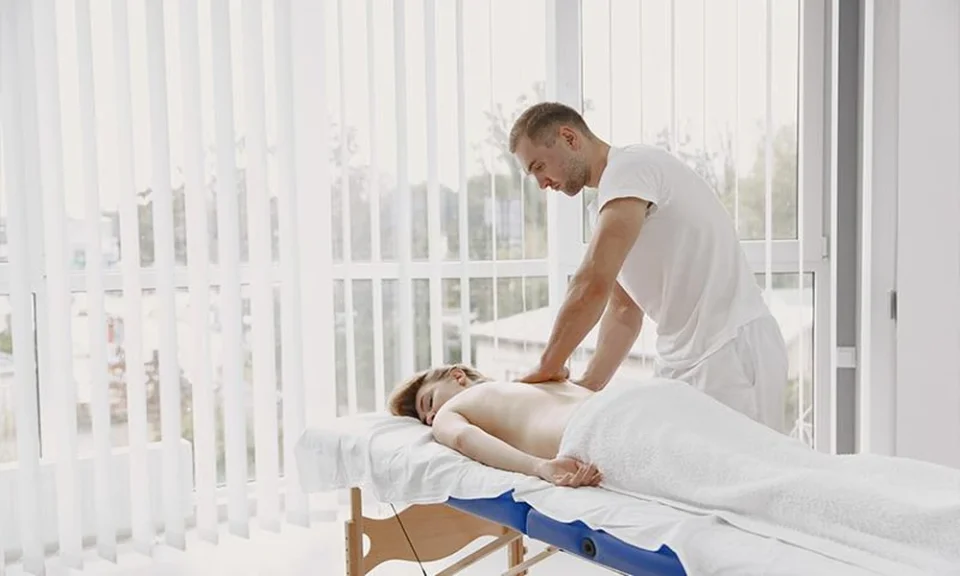
Key Highlights
- The nervous system serves as the foundational control centre for every physiological function in the body.
- Chronic stress or physical trauma often results in a state of nervous system overactivity.
- Targeted neuromusculoskeletal care aims to remove interference and allow the body to return to homeostasis.
- Strategic interventions are essential for those managing complex conditions such as fibromyalgia in Singapore.
- Proper chiropractic treatment supports long term neurological health and systemic recovery.
Introduction
The human body operates through a complex web of electrical and chemical signals orchestrated by the nervous system. From the beating of the heart to the digestion of a meal, nearly every process relies on the seamless transmission of information between the brain and the rest of the body. When this system becomes overactive due to external stressors, injury, or sustained inflammation, the body can enter a state of chronic alarm. This hyper-aroused state often manifests as persistent pain, fatigue, and a reduced capacity for recovery. Understanding how to soothe this internal alarm is the primary focus of modern neuromusculoskeletal care, which often incorporates chiropractic treatment.
Understanding Nervous System Overactivity
When the nervous system remains in a heightened state, the body struggles to maintain balance. This phenomenon, often referred to as sympathetic dominance, keeps the body in a constant fight or flight mode. Prolonged exposure to such a state depletes internal resources, leaving individuals feeling exhausted and physically compromised. Signs of this overactivity include muscle tension, digestive issues, disrupted sleep, and heightened sensitivity to pain. For many, this state is not a temporary reaction but a persistent physiological baseline that requires targeted intervention to resolve.
The Neuromusculoskeletal Connection
The relationship between the spine and the nervous system is profound. The spine houses the spinal cord, which is the primary highway for nerve signals. When there are structural misalignments, these can cause micro-trauma or irritation to the surrounding tissues and nerves. This interference can trigger a cascade of negative responses, contributing to the nervous system’s inability to switch off. By addressing the physical structure through precise manual adjustments, clinicians can help reduce the input of stress signals, thereby encouraging the nervous system to shift towards a parasympathetic, or restorative, state.
Strategic Approaches to Restoration
Effective care is not merely about symptomatic relief; it is about restoring the body’s internal coordination. Patients seeking support often present with a history of accumulated physical stress. A comprehensive approach involves assessing how the neuromusculoskeletal system is functioning as a whole unit. By implementing gentle, specific adjustments, the objective is to clear the path for better nerve communication. This process allows the body to recalibrate its internal thermostat, leading to a more controlled and relaxed response to daily stresses.
Managing Complex Conditions
For individuals dealing with long term issues, the challenge of managing chronic pain is significant. Conditions such as fibromyalgia in Singapore require a sophisticated understanding of how the nervous system amplifies pain signals. Patients often report that even minor physical tasks feel overwhelming due to their body’s heightened sensitivity. In these instances, professional care focuses on calming the central nervous system. By integrating regular chiropractic treatment, patients can gradually retrain their bodies to move out of chronic pain loops and into a state of improved functional tolerance.
Long Term Health and Resilience
Healing is rarely a linear process. It requires consistent effort and a focus on supporting the body’s innate ability to repair itself. Overactive nervous systems are often the result of years of accumulated tension, and reversing this requires patience. By maintaining a proactive approach to spinal and nerve health, individuals can prevent the return of hyper-aroused states. Regular care ensures that the musculoskeletal framework supports, rather than hinders, the nervous system, allowing for sustained energy, reduced pain, and enhanced quality of life.
Conclusion
Calming an overactive nervous system is a vital component of reclaiming one’s health and vitality. By recognising the intricate link between structural alignment and systemic function, patients can take decisive steps towards recovery. Whether addressing specific chronic conditions or simply seeking to improve daily resilience, a focus on neuromusculoskeletal health offers a robust pathway to better wellbeing.
Are you ready to restore balance and calm to your nervous system? Contact us at Vitality Chiropractic today to schedule your consultation and begin your journey towards better health.
