
Key Takeaways
- Golfer’s elbow develops from repetitive strain on the tendons that control wrist and finger movement.
- Early treatment helps reduce pain, improve mobility, and prevent long-term complications.
- Modern rehabilitation methods often combine manual therapy, exercise, and posture correction.
- Orchard Health Clinic offers personalised care plans for sports and neck-related injuries in Singapore.
Introduction
A sore elbow might not seem like a big deal at first. Many people shrug it off as muscle fatigue from work, sports, or even carrying groceries. But when the discomfort lingers, and simple tasks start feeling awkward, something deeper could be happening. Golfer’s elbow is one of those conditions that creeps in quietly. Then suddenly, opening a jar or shaking hands becomes surprisingly painful.
Despite the name, golfer’s elbow doesn’t only affect golfers. Office workers, gym enthusiasts, tennis players, and even parents carrying toddlers can experience it. The condition often develops slowly through repeated strain on the forearm muscles and tendons. In Singapore’s fast-paced lifestyle, where long hours at desks and active weekends are common, that combination can easily trigger overuse injuries.
Thankfully, proper care can make a huge difference. Clinics offering specialised Golfer’s Elbow treatment in Singapore focus not only on easing pain but also on helping patients return to normal movement safely and comfortably.
What Exactly Causes Golfer’s Elbow?
Golfer’s elbow, medically called medial epicondylitis, happens when the tendons attached to the inside of the elbow become irritated or damaged. These tendons support wrist and finger movement, so they’re constantly working during daily activities.
Repeated stress is usually the culprit. Swinging a golf club incorrectly is one example, but typing for hours without ergonomic support can also contribute. Weightlifting, racquet sports, plumbing work, and repetitive lifting are common triggers, too. It’s a bit like bending a paper clip over and over again. Eventually, the strain catches up.
Pain usually appears on the inner side of the elbow and may spread down the forearm. Some people also notice stiffness, weakness in grip strength, or tingling sensations. Oddly enough, symptoms can feel mild in the morning and worsen throughout the day.
There’s another interesting connection here. Poor neck and shoulder posture sometimes increases tension through the arm chain, making elbow strain worse. That’s why clinics providing Whiplash treatment in Singapore often assess posture and upper-body mechanics during rehabilitation. The body rarely works in isolation.
Why Early Treatment Matters More Than People Think
Many people wait too long before seeking help. They rest for a few days, feel slightly better, then return straight to the same activities. Unfortunately, that stop-start cycle can prolong tendon irritation.
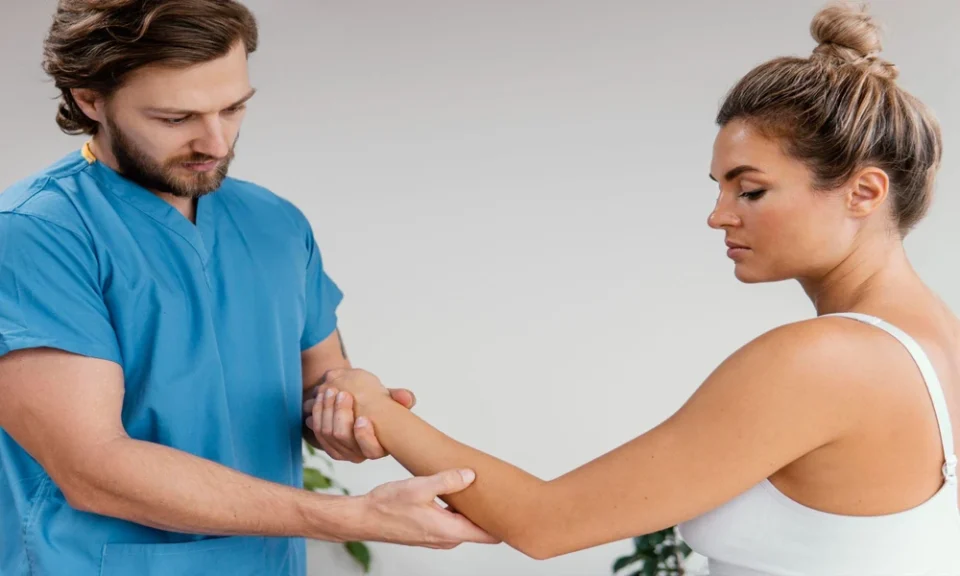
Early treatment focuses on calming inflammation and reducing mechanical stress on the elbow. Manual therapy, soft tissue work, and guided rehabilitation exercises are commonly used to restore proper movement. At Orchard Health Clinic, treatment plans are tailored to the patient’s lifestyle and activity level rather than using a one-size-fits-all approach.
That matters because every injury story is different. A golfer preparing for a tournament won’t need the same recovery strategy as an accountant spending ten hours at a keyboard.
Rehabilitation also helps address related issues such as shoulder tightness, wrist weakness, or posture imbalances. In some cases, neck injuries and elbow pain overlap more than expected. Patients receiving Whiplash treatment in Singapore may discover that restricted neck mobility changes how the arm muscles function during everyday movement.
The goal isn’t simply pain relief. It’s restoring confidence in movement.
Treatment Isn’t Just About Rest Anymore
Years ago, people were often told to rest completely and avoid activity for weeks. While rest still plays a role, modern rehabilitation tends to be more active and targeted.
Therapists may introduce mobility drills, progressive strengthening exercises, dry needling, or shockwave therapy depending on the severity of the condition. Small changes in workstation setup or sports technique can also prevent recurring flare-ups.
One overlooked factor is consistency. Tendons heal gradually. Patients who stick with structured care often see better long-term improvement than those relying only on painkillers or temporary supports.
Clinics offering Golfer’s Elbow treatment in Singapore usually combine hands-on therapy with practical education. Patients learn how movement patterns affect the elbow and what adjustments can help reduce stress in daily life.
And honestly, that education matters. Knowing why pain happens often removes the fear surrounding movement, which can speed up recovery psychologically as well as physically.
Conclusion
Golfer’s elbow may begin as a minor annoyance, but untreated strain can eventually interfere with work, exercise, and daily routines. The good news is that recovery is possible with the right combination of therapy, movement correction, and personalised rehabilitation.
Modern care goes beyond simply treating the elbow itself. By assessing posture, muscle balance, and related neck or shoulder tension, clinicians can create a more complete recovery plan. Whether symptoms come from sports, office work, or repetitive activity, professional support can help patients regain comfort and confidence.
For professional assessment and personalised rehabilitation, get in touch with Orchard Health Clinic today.
