
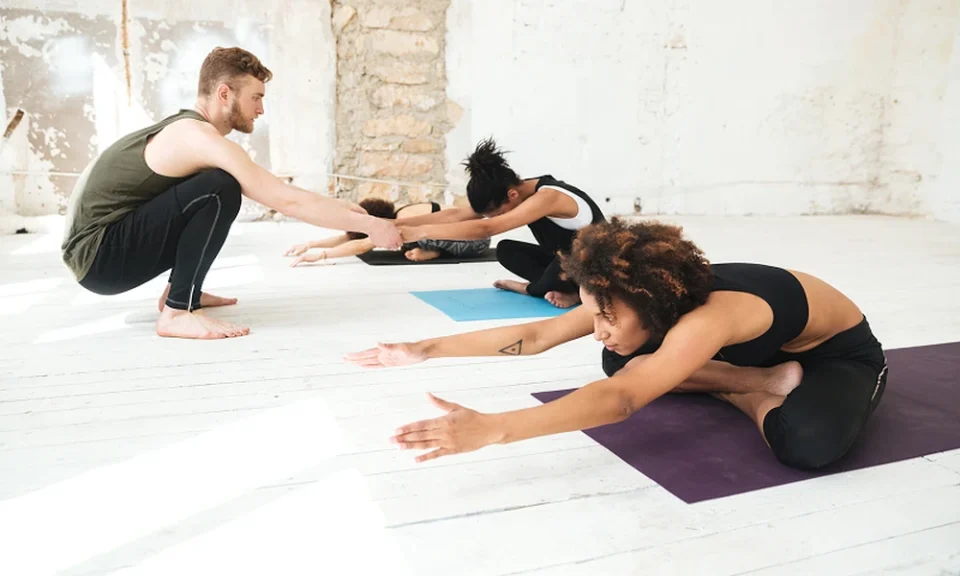
Attending a first yoga session can feel intimidating, but proper preparation ensures a comfortable and rewarding experience. Understanding what to expect, what to wear, and how to conduct oneself helps ease initial anxieties. Whether attending group sessions or private yoga classes in Singapore, preparing beforehand allows individuals to focus fully on their practice.
What Should You Know Before Your First Yoga Class?
Yoga is a mind-body practice that combines physical postures, breathing techniques, and meditation. Beginners should understand that flexibility is not a prerequisite, as yoga helps build flexibility and strength over time. Classes vary significantly in style, intensity, and pace, ranging from gentle Hatha to fast-paced Vinyasa.
When selecting a studio, consider the style of instruction that best matches your physical capabilities and goals. Beginners often benefit from introductory group sessions or specialized yoga classes that cover foundational alignments. Communicating any pre-existing injuries or physical limitations to the instructor before class begins ensures safe modifications.
In summary, knowing the class style, focusing on personal progress rather than flexibility, and informing the instructor of physical needs are essential first steps before starting.
What Should You Wear to Your First Yoga Class?
Selecting the right attire is crucial for moving through poses without distraction or discomfort. Clothing should be breathable, stretchable, and relatively form-fitting so it does not shift excessively during inverted postures.
- Tops: Fitted t-shirts or tank tops made from moisture-wicking fabric. Loose shirts tend to fall over the face during forward bends.
- Bottoms: High-waisted leggings, capris, or athletic shorts that allow a full range of motion.
- Undergarments: Supportive sports bras for women to ensure comfort during movement.
- Footwear: Yoga is practiced barefoot. Shoes and socks are removed before entering the studio room to maintain hygiene and traction.
Appropriate attire allows for unhindered movement and helps the instructor monitor posture accurately. In summary, wear comfortable, form-fitting, and moisture-wicking activewear, and prepare to practice barefoot.
What Should You Bring to Your First Yoga Class?
Most studios provide basic equipment, but bringing personal items enhances comfort and hygiene.
| Item | Purpose | Necessity |
| Yoga Mat | Provides grip and cushioning | Optional (Studios often rent or provide mats) |
| Water Bottle | Maintains hydration during and after class | Essential |
| Small Towel | Wipes away sweat and improves grip | Recommended |
| Comfortable Layers | Keeps warm during final relaxation (Savasana) | Recommended |
While many facilities offering yoga classes in Singapore supply mats and props, using a personal mat is often preferred for personal hygiene. In summary, bring a water bottle, a small towel, warm layers, and optionally, a personal yoga mat.
Should You Eat Before Your First Yoga Class?
Practicing yoga on a full stomach can lead to discomfort, nausea, or cramping during twists and inversions. However, attending class while feeling lightheaded from hunger is equally counterproductive.
- Light Meals: Consume a small snack 1 to 2 hours before class. Ideal options include a banana, a small handful of nuts, or a piece of toast.
- Heavy Meals: Avoid large or heavy meals at least 3 to 4 hours prior to the session.
- Hydration: Drink adequate water throughout the day leading up to the class, but avoid gulping large amounts immediately before practice.
Properly timing food and fluid intake prevents digestive discomfort during movement. In summary, eat a light snack 1 to 2 hours before class, avoid heavy meals, and stay hydrated.
How Early Should You Arrive for Your First Yoga Class?
Arriving early ensures a stress-free start to the session and allows time to settle into the studio environment.
First-time attendees should aim to arrive 15 to 20 minutes before the scheduled start time. This buffer provides sufficient time to complete registration forms, tour the facilities, and store personal belongings in designated lockers.
Arriving early also allows participants to select a preferred spot in the room and speak with the teacher regarding any physical concerns. Furthermore, those opting for private yoga classes benefit from using this time to discuss specific fitness objectives with their instructor. In summary, arrive 15 to 20 minutes early to complete check-in procedures, set up your mat, and speak with the instructor.
What Yoga Class Etiquette Should Beginners Follow?
Yoga studios maintain specific rules of etiquette to foster a quiet, respectful atmosphere for all practitioners. Adhering to these standard practices ensures a harmonious environment.
- Silence Mobile Devices: Turn off or mute mobile phones before entering the studio space.
- Remove Footwear: Leave shoes and socks in the designated storage area outside the practice room.
- Enter Quietly: Keep conversations at a low volume once inside the studio.
- Respect Space: Place your mat in line with others and avoid stepping on surrounding mats.
- Stay for Savasana: Remain in the room for the final relaxation posture, as leaving early disrupts the class dynamics.
Following basic etiquette shows respect for the instructor and fellow participants. In summary, silence electronics, enter quietly, respect others’ personal space, and remain present until the end of the class.
Frequently Asked Questions
What if I cannot hold a pose or need a break?
It is completely acceptable to rest at any point during class. You can drop into Child’s Pose (Balasana) whenever you need to catch your breath or take a break.
Do I need to be flexible to start yoga?
No, flexibility is a result of practicing yoga, not a requirement to start. Postures can be modified using props such as blocks and straps to suit your current physical ability.
Is yoga a good workout for weight loss?
Yoga aids in building lean muscle mass, improving metabolism, and managing stress. While more dynamic styles burn calories, combining yoga with a balanced diet supports long-term weight management.
Contact The Yoga House for a more personalised introduction to yoga.
