
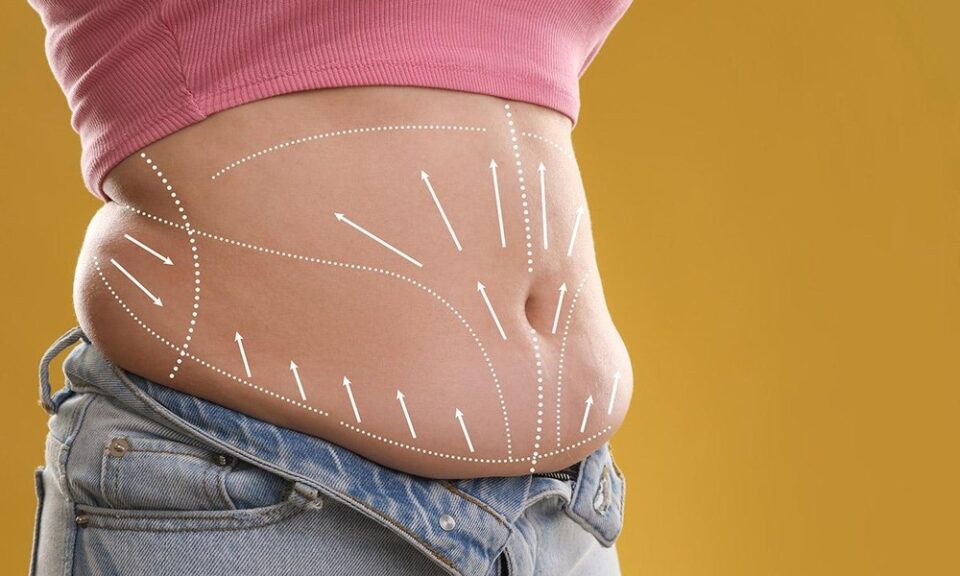
Understanding Modern Body Contouring Beyond Weight Loss
Body contouring is no longer about dramatic transformation alone. Today’s patients seek refinement, balance, and natural-looking results that align with their body structure and lifestyle. Even individuals who maintain a healthy weight can struggle with stubborn fat deposits, loose skin, or changes caused by pregnancy, aging, or significant weight fluctuations.
Modern body contouring addresses these concerns using a combination of advanced techniques rather than a single procedure. Fat transfer, liposuction, and tummy tuck surgery each play a distinct role, and when used strategically, they can deliver comprehensive, long-lasting results.
At The Aesthetics Centers in Newport Beach, Dr. Siamak Agha takes a tailored approach to body contouring, focusing on anatomy, proportion, and tissue health rather than trends or shortcuts.
“True body contouring is about restoring harmony, not chasing perfection.”
What Is Body Contouring?
Body contouring refers to a group of surgical techniques designed to reshape and refine the body’s silhouette. These procedures are not weight-loss solutions. Instead, they address localized fat deposits, excess skin, weakened muscles, and volume loss that cannot be corrected through diet or exercise alone.
Effective body contouring requires a detailed understanding of how fat, skin, and muscle interact. This is why combining procedures is often more effective than relying on a single technique.
Liposuction: Precision Fat Removal
Liposuction remains one of the foundational tools in body contouring. It removes unwanted fat deposits from areas such as the abdomen, flanks, thighs, hips, back, arms, and neck.
Rather than indiscriminately removing fat, modern liposuction focuses on sculpting. The goal is to enhance natural contours while maintaining smooth transitions between treated and untreated areas.
Liposuction is especially effective for patients with good skin elasticity who want to refine specific areas. However, liposuction alone does not address loose skin or muscle separation, which is why it is often combined with other procedures.
“Removing fat is only part of the equation. Shaping the result is where artistry matters.”
Fat Transfer: Using Your Own Tissue for Enhancement
Fat transfer, also known as fat grafting, repurposes fat removed during liposuction and transfers it to areas that benefit from added volume or contour. Common areas include the hips, buttocks, breasts, and even the abdomen to smooth irregularities.
This technique allows body contouring to become a redistributive process rather than simply subtractive. Instead of discarding harvested fat, it is refined and strategically placed to enhance curves and improve symmetry.
Fat transfer offers a natural look and feel because it uses the patient’s own tissue. It also supports tissue quality in the treated areas, making it a valuable component of comprehensive contouring plans.
Tummy Tuck: Addressing Skin and Muscle Laxity
A tummy tuck, or abdominoplasty, is often misunderstood as a fat removal procedure. In reality, its primary purpose is to address excess skin and weakened abdominal muscles.
Pregnancy, aging, and weight changes can stretch the abdominal wall, leading to muscle separation and loose skin that does not respond to exercise. A tummy tuck repairs the underlying muscle structure and removes excess skin to create a firmer, flatter abdomen.
Liposuction may be used in conjunction with a tummy tuck to refine surrounding areas, but the core benefit comes from structural restoration rather than fat removal alone.
How These Procedures Work Together
The most refined body contouring results often come from combining liposuction, fat transfer, and tummy tuck surgery. Each technique addresses a different layer of concern, allowing for a more complete transformation.
Liposuction sculpts and defines, fat transfer enhances volume and curves, and a tummy tuck restores firmness and structure. When performed together, these procedures create balance and proportion that look natural and cohesive.
Dr. Agha carefully evaluates how each component contributes to the outcome, ensuring that the result complements the patient’s body rather than overpowering it.
Customization Is Key to Natural Results
No two bodies are the same, and effective body contouring must reflect that reality. Factors such as skin quality, fat distribution, muscle tone, and lifestyle all influence which procedures are appropriate.
Some patients may benefit primarily from liposuction and fat transfer, while others require the structural correction provided by a tummy tuck. The decision is guided by anatomy and goals, not a preset formula.
Recovery and Healing Expectations
Recovery varies depending on the combination of procedures performed. Liposuction alone typically involves moderate swelling and bruising, with most patients returning to light activity within days.
Fat transfer adds minimal additional downtime, although treated areas require careful protection during healing. A tummy tuck involves a longer recovery period due to muscle repair and skin removal, with a gradual return to normal activity over several weeks.
Dr. Agha provides detailed recovery guidance to support safe healing and optimal results. Patience during recovery is essential, as final contours continue to refine over time.
Long-Term Results and Maintenance
When performed correctly, body contouring results can be long-lasting. Fat cells removed through liposuction do not return, although remaining fat cells can enlarge with weight gain.
Fat transfer results depend on how well the transferred fat integrates, but a significant portion often becomes permanent. Tummy tuck results are particularly durable, especially when muscle repair is maintained through a stable lifestyle.
Maintaining results requires a commitment to healthy habits, including consistent weight management and physical activity.
Who Is a Good Candidate for Body Contouring?
Ideal candidates are individuals who are close to their target weight, in good overall health, and have realistic expectations. Body contouring is not about changing identity but about refining what is already there.
Patients who have experienced pregnancy, aging-related changes, or localized fat resistance often find body contouring especially beneficial. A comprehensive consultation is essential to determine candidacy and develop a personalized plan.
The Importance of Surgical Expertise
Body contouring requires more than technical ability. It demands an understanding of proportion, movement, and how results will age over time. Poor planning or overly aggressive techniques can lead to unnatural outcomes.
At The Aesthetics Centers, Dr. Agha applies a disciplined, anatomy-driven approach that prioritizes safety and aesthetic longevity. This expertise is especially important when combining procedures.
Choosing the Right Approach for Your Goals
There is no single “best” body contouring procedure. The right approach depends on your anatomy, concerns, and vision for your body. Education and honest guidance are critical in making an informed decision.
Dr. Agha works closely with each patient to outline options, explain trade-offs, and recommend a plan that aligns with both short-term goals and long-term satisfaction.
Schedule a Consultation With Dr. Agha
If you are considering body contouring and want clarity on whether liposuction, fat transfer, a tummy tuck, or a combination is right for you, a personalized consultation is the best next step.
Contact The Aesthetics Centers in Newport Beach to schedule a private consultation with Dr. Siamak Agha and explore customized body contouring solutions designed for balance, confidence, and lasting results.
