
Key Takeaways
- Orthopaedic clinics play a major role in recovery after injuries and surgery through diagnosis, treatment, rehabilitation, and long-term care.
- Patients recovering from joint conditions often benefit from personalised treatment plans and guided rehabilitation support.
- Access to experienced specialists and modern surgical methods can improve mobility and reduce recovery time.
- Specialist Orthopaedic Centre provides comprehensive care for musculoskeletal conditions, including knee replacement procedures and post-surgical support.
Introduction
Recovering from an injury or surgery can feel like a long road. Some days are smooth, while others test patience. Whether it’s a sports injury, chronic knee pain, or a procedure like a knee replacement in Singapore, the right medical support makes a real difference. Recovery isn’t only about healing bones or joints. It’s also about regaining confidence, movement, and everyday comfort.
That’s where an experienced orthopaedic clinic in Singapore comes in. These clinics do far more than diagnose problems. They guide patients through every stage of recovery, from early assessments to rehabilitation plans that help people get back to daily life. Clinics such as the Specialist Orthopaedic Centre focus on tailored treatment approaches that match the patient’s condition, lifestyle, and goals.
Why Recovery Needs More Than Rest
Many people assume rest alone fixes orthopaedic problems. Sometimes it helps, but often, proper treatment and guided rehabilitation are needed. Think of the body like a carefully balanced machine. When one part struggles, the others compensate. Over time, that imbalance can lead to pain in new areas.
An orthopaedic clinic in Singapore typically handles conditions involving bones, muscles, ligaments, joints, and tendons. This includes sports injuries, fractures, arthritis, and degenerative joint conditions. Specialists assess the severity of the issue before recommending treatment. Some patients recover through physiotherapy and medication, while others may require surgery.
Take knee problems, for example. Persistent knee pain can slowly chip away at daily routines. Walking through the MRT station suddenly feels exhausting. Climbing stairs becomes frustrating. For patients with severe arthritis or joint damage, knee replacement in Singapore may offer relief and improved mobility. The procedure replaces damaged joint surfaces with artificial components designed to restore smoother movement.
What matters just as much as the surgery itself, though, is the care that follows.
The Role of Rehabilitation After Surgery
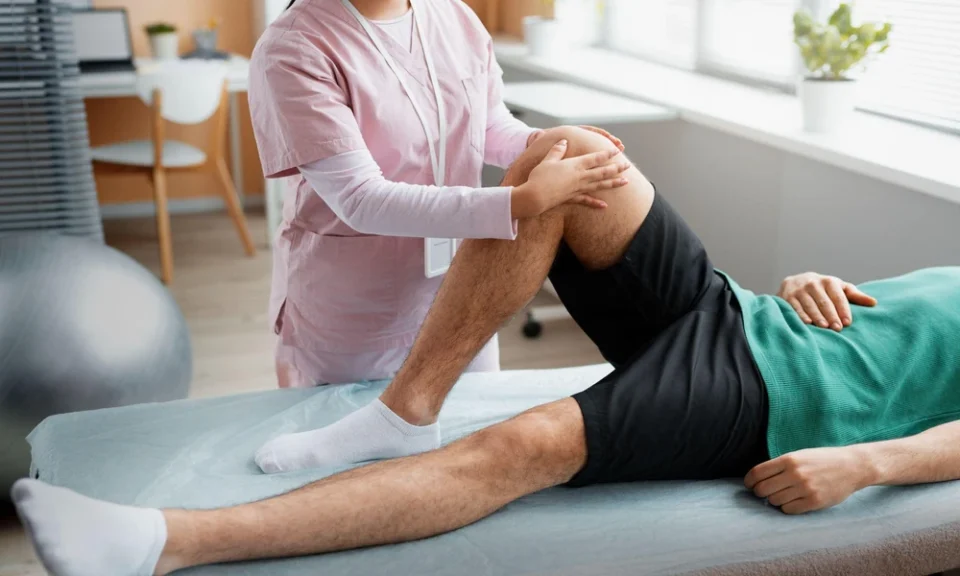
Post-surgical rehabilitation is often where real progress happens. A successful operation still requires proper aftercare, physiotherapy, and monitoring. Without rehabilitation, stiffness and weakness can linger longer than expected.
At the Specialist Orthopaedic Centre, treatment plans are designed around the patient’s recovery timeline. Follow-up consultations help track healing, while rehabilitation programmes support mobility and strength. It’s a bit like tuning a musical instrument after repair. The structure may be fixed, but balance and function still need attention.
Patients recovering from knee replacement in Singapore are usually encouraged to begin gentle movement fairly early, depending on medical advice. Controlled exercises improve circulation, reduce stiffness, and help rebuild muscle support around the knee. Gradually, daily tasks become easier again.
And there’s another recovery side people sometimes overlook – emotional reassurance. Clear explanations, realistic expectations, and regular progress checks can ease anxiety during recovery. That steady guidance matters more than many realise.
How Specialist Care Supports Long-Term Mobility
Orthopaedic care doesn’t stop once pain decreases. Long-term joint health often depends on lifestyle adjustments, exercise habits, and early management of future issues. That’s why many patients continue periodic check-ups at an orthopaedic clinic in Singapore even after recovery.
Modern orthopaedic clinics also use imaging technology and minimally invasive methods to support faster recovery where possible. Smaller incisions can reduce tissue damage and shorten downtime for suitable patients. While not every condition can be treated this way, advances in orthopaedic medicine continue to improve patient experiences.
For individuals considering knee replacement in Singapore, having access to experienced specialists and structured rehabilitation support may help improve both recovery and long-term movement. Each patient’s journey is different, of course. Age, activity level, and overall health all shape the process.
Still, one thing remains consistent: proper orthopaedic care creates a clearer path towards regaining mobility and independence.
Conclusion
Recovering from injuries or surgery takes more than patience alone. It requires expert assessment, structured rehabilitation, and ongoing support tailored to the patient’s needs. From sports injuries to joint degeneration, orthopaedic specialists help patients rebuild strength, restore movement, and improve quality of life.
An experienced orthopaedic clinic in Singapore provides comprehensive care that supports patients through every stage of recovery. Whether someone requires rehabilitation therapy or a knee replacement in Singapore, personalised treatment can make daily movement feel manageable again, sometimes even enjoyable.
To learn more about orthopaedic treatments and recovery support, contact the Specialist Orthopaedic Centre.
