
Key Takeaways
- Scar type determines which treatment method delivers visible improvement.
- Multiple sessions are usually required to achieve consistent results.
- Healing response and aftercare directly influence final skin texture.
Introduction
Starting an acne scar treatment in Singapore often creates expectations of visible improvement, yet several underlying factors shape how the skin responds over time. Many people focus on the procedure itself, but the condition of the skin, the type of scars present, and the way treatments are planned all influence results. Without a clear understanding of these elements, it becomes difficult to assess progress or manage expectations across multiple sessions. Looking at the process more closely helps explain why results vary and what contributes to a more consistent outcome.
1. The Structure and Type of Scars
Different scar types respond to different treatment methods, which makes accurate assessment an essential first step. Depressed scars, raised scars, and uneven textures require distinct approaches that target specific layers of the skin. When treatment does not match the structure of the scar, improvements may remain limited or uneven. Understanding how scar depth and shape affect treatment selection helps create a plan that addresses the underlying issue rather than applying a general solution.
2. The Number and Spacing of Sessions
Scar treatment rarely produces complete results in a single session because the skin requires time to regenerate between procedures. When you space sessions appropriately, you allow the body to repair tissue and build collagen gradually. When treatments are rushed or spaced too closely, the skin may not recover fully, which can affect results. Maintaining consistency across multiple sessions stabilises improvement, especially as changes develop gradually rather than appearing immediately.
3. Depth and Precision of Treatment Application
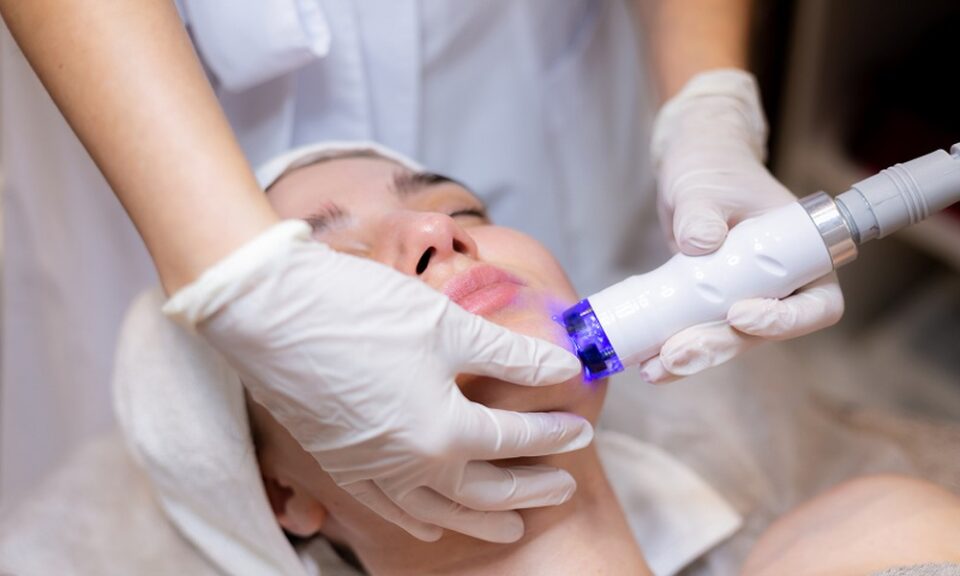
Effective treatment targets the layers where scar tissue forms and uses controlled energy delivery to reach those areas within the skin. If the treatment remains too superficial, it may not stimulate the necessary changes beneath the surface. At the same time, overly aggressive application can increase the risk of irritation or uneven pigmentation. Achieving the right balance ensures that the skin receives enough stimulation to improve texture while maintaining safety throughout the process.
4. Post-Treatment Care and Skin Management
The period immediately after treatment plays a significant role in how the skin heals and develops new tissue, especially when procedures are performed at a medical aesthetic clinic in Singapore. Proper care supports recovery by protecting the skin from irritation and external stress. When aftercare is inconsistent, healing may become uneven, which affects overall results. Maintaining a controlled environment during recovery allows the treated areas to stabilise and develop a smoother texture over time.
5. Natural Collagen Response of the Skin
Collagen production determines how well the skin rebuilds itself after treatment. Factors such as age, general health, and lifestyle habits influence how effectively the body produces new tissue. When collagen response remains strong, improvements tend to appear more gradually and consistently. In cases where this response is slower, additional support or extended treatment timelines may be necessary to achieve visible changes.
6. Presence of Ongoing Acne Activity
Active acne can interfere with the progress of scar treatment by introducing new inflammation into the skin. When breakouts continue, they may create additional marks that disrupt the results of previous sessions. Stabilising the skin before focusing on scar revision helps maintain a clearer baseline for treatment. This approach allows each session to build on previous improvements without interruption from new damage.
Conclusion
Acne scar treatment outcomes depend on how well each factor aligns with the skin’s condition and how practitioners manage the approach throughout the process. When treatments match scar type, follow consistent scheduling, and support natural healing, results become more predictable. Understanding these elements helps set realistic expectations and encourages a more structured approach to long-term skin improvement.
Contact Aeon Medical & Aesthetic Centre to begin a tailored acne scars treatment in Singapore with a plan designed around your skin condition.
