
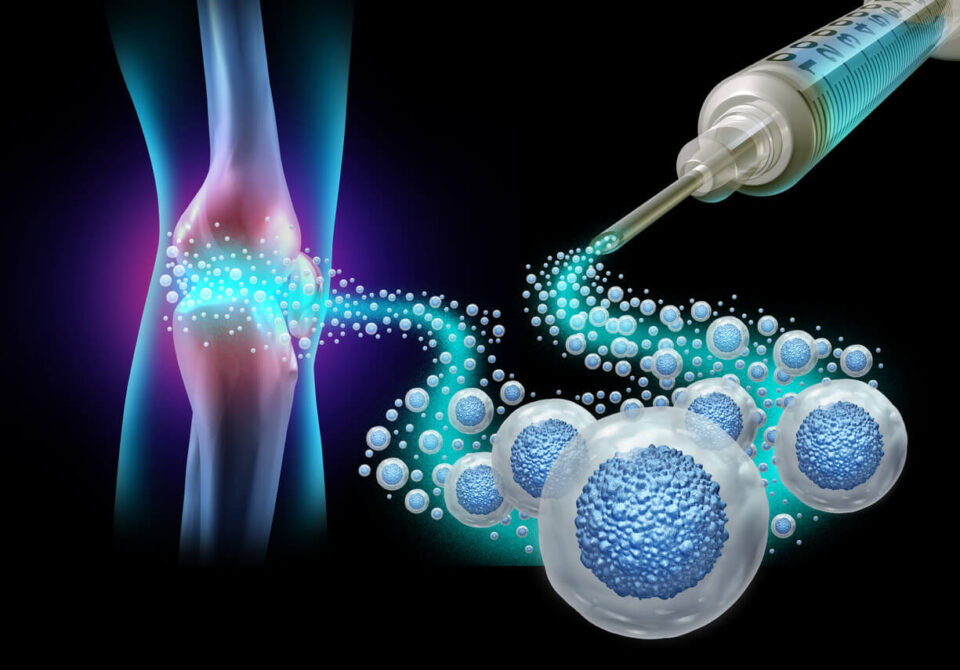
Aching knees, stiff hips, and throbbing shoulders can turn simple tasks into daily battles. For millions battling joint degeneration, the promise of regaining pain-free movement feels almost out of reach. Yet, recent advances in stem cell therapy are fueling a wave of optimism among doctors and patients alike.
The Promise of Joint Regeneration: Why It Matters
Joint degeneration affects everything from the way we play with our kids to the quality of our sleep. When cartilage erodes or tendons fray, the resulting pain and stiffness can impact independence, mood, and even mental health. For many, the slow decline is more than physical; it’s a persistent erosion of life’s pleasures.
The Impact of Joint Degeneration on Quality of Life
Mobility loss is just the beginning. Chronic joint pain often leads to weight gain, less exercise, and a downward spiral of health complications. Simple joys, like walking in the park or climbing stairs, become daunting challenges. This cumulative effect highlights why durable solutions for joint health are so important.
Current Conventional Treatments and Their Limitations
Most people start with painkillers, anti-inflammatory medications, or steroid injections. While these offer temporary relief, none address the root cause: the breakdown of joint tissue. Surgery is often the last resort, carrying risks, long recovery times, and no guarantee of success.
Understanding Stem Cell Therapy
Why are experts so excited about stem cells? The answer lies in their unique ability to transform and repair.
What Are Stem Cells? Types and Sources Relevant to Joint Repair
Stem cells are the body’s raw materials. They can become cartilage, bone, or tendon tissue, depending on where they’re needed. The main types used for joint repair include mesenchymal stem cells (often sourced from bone marrow or fat tissue) due to their capacity to develop into connective tissues.
How Stem Cells Facilitate Regeneration: Biological Mechanisms
Injected into a damaged joint, stem cells can sense signals from injured tissues. They then release growth factors and anti-inflammatory molecules, spurring the body’s own repair mechanisms. More importantly, they can develop into the specific type of cell needed, such as cartilage cells in an arthritic knee.
Comparing Treatment Modalities for Joint Issues
Navigating joint treatments means weighing pros, cons, and long-term potential.
Traditional Approaches: Medication, Surgery, and Physical Therapy
Medications mainly mask symptoms. Physical therapy strengthens muscles but cannot reverse tissue damage. Surgery, whether it is a joint replacement or arthroscopy, is invasive and expensive, and can still result in lingering discomfort.
Emerging Alternatives: Platelet-Rich Plasma (PRP) and Hyaluronic Acid Injections
PRP uses a patient’s own blood components to encourage healing. Hyaluronic acid injections provide lubrication within the joint. Both target pain but rarely stimulate regeneration.
Stem Cell Therapy vs. Other Regenerative Techniques: Efficacy and Outcomes
Evidence is accumulating that stem cell therapy offers something unique: the possibility of true tissue regeneration. While PRP and hyaluronic acid may reduce symptoms for a few months, stem cell treatments have shown potential to rebuild cartilage and delay, or even avoid, the need for surgery.
| Treatment Approach | Goal | Durability | Invasiveness | Regeneration Potential |
|—————————-|——————–|—————–|————–|———————–|
| Pain Medications | Mask symptoms | Weeks-Months | Low | None |
| Physical Therapy | Strengthen/Support | Ongoing | Low | None |
| PRP/Hyaluronic Acid | Lubricate/Reduce | Weeks-Months | Low | Minimal |
| Surgery | Replace/Repair | Years | High | Limited |
| Stem Cell Therapy | Regenerate | Months-Years | Moderate | High |
Expert Perspectives on Stem Cell Therapy
Doctors from top clinics are cautiously optimistic, pointing to a growing body of clinical evidence.
Clinical Evidence Supporting Stem Cell Use in Joint Regeneration
Recent studies suggest stem cell treatments can result in pain reduction, improved mobility, and even visible cartilage growth on imaging scans. While not every patient responds, the outcomes are often significantly better than with standard treatments for early to moderate joint damage.
Safety Profiles and Risk Assessment Compared to Conventional Treatments
Stem cell therapy is minimally invasive, typically using a patient’s own cells and resulting in lower risk of rejection or infection compared to surgery. Side effects tend to be mild and temporary.
Case Studies and Success Stories from Leading Specialists
Orthopedic clinics report cases where patients avoided knee replacements and returned to activities like golfing or hiking. Specialists at The Regenerative & Joint Clinic have documented substantial improvements in patients who once faced daunting surgical options.
Practical Considerations for Patients
Is stem cell therapy right for everyone? Not always.
Eligibility and Suitability for Stem Cell Therapy
The best candidates are typically those with moderate joint degeneration who have not responded to conservative therapies. Severely damaged joints may not benefit as much.
Treatment Process: What Patients Should Expect
The procedure usually involves harvesting cells, processing them, and carefully injecting them into the affected joint, often under ultrasound guidance. Most patients resume regular activities within days, though results unfold over several weeks.
Cost, Accessibility, and Insurance Factors
Stem cell therapy is not yet universally covered by insurance and can be costly. Prices vary depending on the treatment center and the protocol used.
Challenges and Controversies Surrounding Stem Cell Therapy
Despite the promise, stem cell therapy is not without hurdles.
Regulatory Landscape and Ethical Debates
Regulations vary by country and even by state. Some clinics over-hype unproven treatments, leading to calls for stricter oversight.
Variability in Treatment Quality and Standardization Issues
Not all stem cell therapies are created equal. Variations in cell source, processing methods, and expertise can impact results.
Addressing Skepticism: What Experts Say
Many experts advocate for more research and caution against miracle claims. However, reputable clinics and ongoing trials continue to build a compelling case for careful, evidence-based use.
The Future of Joint Regeneration
Ongoing innovations in stem cell research are pointing toward even more advanced therapies, including gene editing and combination approaches with PRP or targeted drugs. As technology matures, the dream of restoring joint health to millions could soon shift from hope to reality.
