
Key Takeaways
- Minimally invasive spine procedures focus on smaller incisions and quicker recovery.
- Endoscopic techniques can reduce muscle disruption and post-surgery discomfort.
- Not every back condition suits minimally invasive approaches; careful assessment matters.
- Understanding recovery timelines helps patients plan work and family life better.
- Choosing an experienced specialist is just as important as the procedure itself.
Introduction
Back pain can disrupt life in ways that are hard to predict. Simple movements such as bending, driving, or even sleeping may become challenging when discomfort lingers. When conservative treatments no longer bring relief, the idea of surgery can feel daunting, largely due to concerns about scarring, downtime, and extended rehabilitation. However, advancements in medical technology have transformed spinal procedures. Today, minimally invasive spine surgery in Singapore offers targeted solutions designed to reduce tissue damage and support a smoother recovery process compared to conventional methods.
Smaller Incisions, Bigger Impact
The phrase “minimally invasive” gets used often, sometimes too casually. In spine care, it usually means smaller cuts, less muscle disruption, and a more targeted approach to the problem area. Instead of moving large sections of tissue aside, surgeons work through narrow pathways using specialised instruments.
One commonly discussed method is endoscopic back surgery. By using a thin camera and precise tools, surgeons can access spinal structures through very small openings. It sounds high-tech, and it is, but the real benefit shows up later, when patients realise they are moving more comfortably sooner than expected.
Why Recovery Feels Different
Recovery after spine surgery used to be measured in months. That expectation still lingers, even though it does not always apply anymore. With minimally invasive spine surgery in Singapore, many patients experience shorter hospital stays and a faster return to routine activities. That does not mean recovery is instant. Rest, physiotherapy, and follow-up care still play a role.
Think of it like repairing a road at night instead of tearing it up during rush hour. Less disruption leads to smoother flow afterwards. Endoscopic back surgery follows a similar logic by limiting trauma to surrounding muscles and tissues, which often translates to less post-operative pain.
Is It Right for Every Spine Condition?
Here is where things get a little less straightforward. Minimally invasive does not mean universally suitable. Certain spinal issues, especially complex deformities or severe instability, may still require open surgery. This is where honest conversations matter.
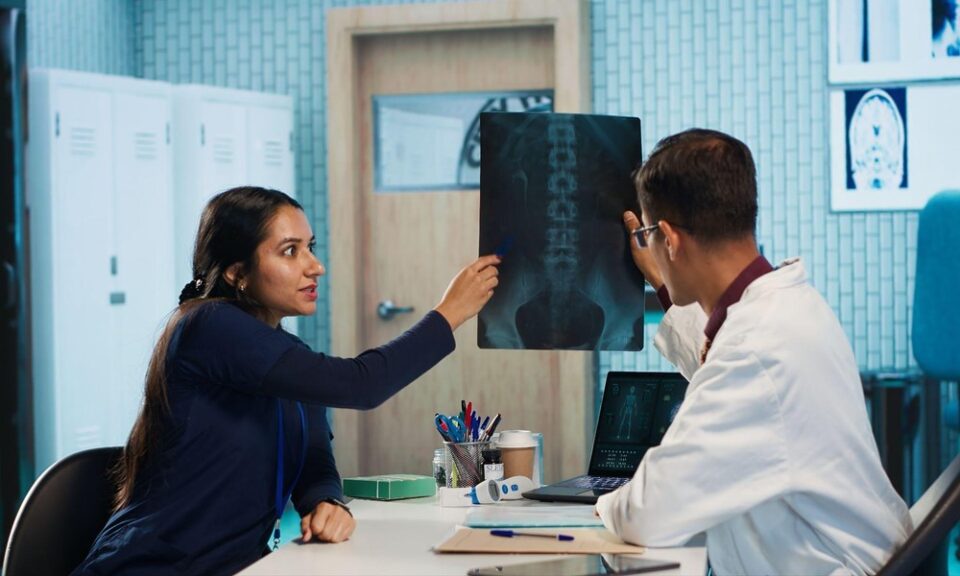
A specialist will usually review imaging, symptoms, lifestyle factors, and overall health before recommending minimally invasive spine surgery in Singapore. Patients sometimes expect a clear yes or no. In reality, it is often a balanced discussion that weighs benefits against limitations.
The Technology Behind the Technique
Modern spine surgery relies on more than steady hands. Advanced imaging, navigation systems, and specialised surgical tools all contribute to precision. Endoscopic back surgery, for instance, depends heavily on high-definition visualisation to guide movements within tight spaces.
This technology has become more common in Singapore hospitals, reflecting a broader trend towards patient-centred care. Smaller incisions are not just about aesthetics. They are about reducing stress on the body and supporting smoother healing.
Questions Patients Often Forget to Ask
It is easy to focus on the surgery itself, but daily life details matter just as much. How soon can driving resume? What about desk work or childcare? These practical questions shape recovery expectations.
Patients considering minimally invasive spine surgery in Singapore are encouraged to ask about rehabilitation plans and warning signs during healing. Clear guidance can prevent unnecessary anxiety later. After all, peace of mind plays a quiet but important role in recovery.
Choosing the Right Specialist
Techniques and tools matter, but experience still sits at the centre. Surgeons trained extensively in endoscopic back surgery tend to have a deeper understanding of when the approach works best, and when it does not. A well-explained recommendation often signals careful judgment rather than salesmanship.
Trust builds when patients feel heard, especially when concerns about pain, mobility, or long-term outcomes are addressed without rushing the conversation.
Conclusion
Spine surgery no longer carries the same weight it once did. With options like endoscopic back surgery and other minimally invasive approaches, patients have more pathways to relief than before. Minimally invasive spine surgery in Singapore reflects a broader shift towards precision, comfort, and faster recovery, without losing sight of safety.
For individuals dealing with persistent back discomfort, a specialist assessment can help determine whether these advanced procedures align with the specific diagnosis and daily demands involved. Reach out to Achieve Spine & Orthopaedic Centre for a qualified spine specialist to explore treatment options and take the next step towards more comfortable movement.
