
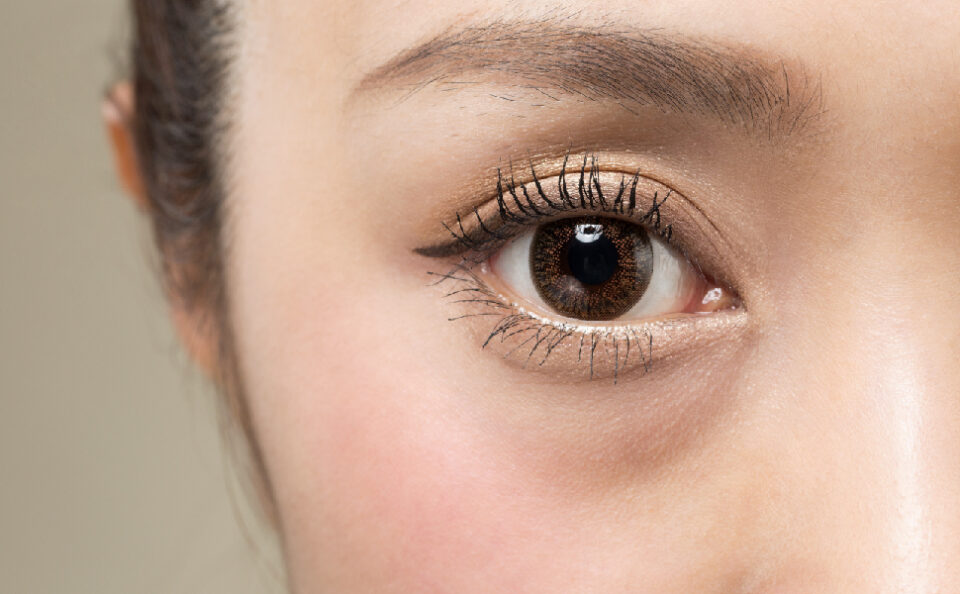
Puffy under-eye bags make you look tired and older than you feel. The skin beneath your eyes becomes loose over time. Fat pockets shift forward and create that swollen appearance. Many people try creams and serums with little success.
Eyebag laser treatment targets this problem directly. The procedure uses focused light energy to tighten skin and reduce puffiness. It works by heating the tissue beneath the surface. This triggers your body to produce fresh collagen.
How The Treatment Works
A trained practitioner applies the laser to the under-eye area. The device delivers controlled heat to specific depths. Your skin stays protected on the surface whilst deeper layers receive treatment.
The process usually takes between 30 and 60 minutes. Most people feel a warm sensation during the session. Some experience mild discomfort but find it tolerable.
Results appear gradually over several weeks. Your body needs time to build new collagen. The skin becomes firmer and smoother. Dark circles often look less obvious too.
What Happens After Treatment
Your under-eye area will look pink or red straight after eyebag laser treatment. This reaction is normal and fades within a few days. Some people notice mild swelling that settles quickly.
Avoid makeup on the treated area for at least 24 hours. Keep the skin clean and moisturised as advised. Use a gentle cleanser and avoid rubbing the delicate skin.
Sun protection becomes essential after any laser procedure. Apply broad spectrum sunscreen daily, even on cloudy days. UV exposure can damage healing skin and affect your results.
Stay away from intense exercise for two or three days. Heavy sweating may irritate the treated area. Skip saunas, steam rooms and hot baths during this period.
Managing Your Recovery
Cold compresses help reduce any swelling during the first 48 hours. Apply them gently for 10 minutes at a time. Take breaks between applications to avoid over-cooling the skin.
Drink plenty of water to support your skin’s healing process. Proper hydration helps your body produce collagen. Get enough sleep as tissue repair happens overnight.
Contact your practitioner if you notice unusual symptoms. Severe pain, extreme swelling or signs of infection need prompt attention. Most people recover without any problems.
Expected Timeline
You might see slight improvement within two weeks. Real changes become visible around the six-week mark. Full results develop over three to six months.
Some people need multiple sessions for their desired outcome. Your practitioner can advise on the right plan. Sessions are typically spaced several weeks apart.
Results can last for one to two years. The natural ageing process continues after treatment. Maintaining good skincare habits helps extend your results. Regular sunscreen use makes a significant difference.
Who Should Consider This
Eyebag laser treatment suits people with mild to moderate under-eye concerns. Those with very loose skin may need different options. A consultation helps determine if you’re a good candidate.
Certain health conditions may rule out laser treatment. Share your full medical history with your practitioner. They’ll assess whether the procedure is safe for you.
Set realistic expectations before starting treatment. Lasers improve skin quality but don’t work miracles. The results look natural rather than dramatic.
Alternative Approaches
Other methods address under-eye bags too. Injectable treatments plump hollow areas and smooth wrinkles. Surgical procedures remove excess fat and skin for more dramatic changes.
Your lifestyle affects how your under-eyes look. Getting enough sleep reduces puffiness naturally. Managing allergies prevents fluid retention around the eyes.
A good skincare routine supports any treatment you choose. Products with retinol or peptides may help. Always patch test new products on a small area first.
The right approach depends on your specific concerns and goals. Consider your budget, recovery time and desired outcome. Professional guidance helps you make an informed choice about tightening the under-eye area.
