
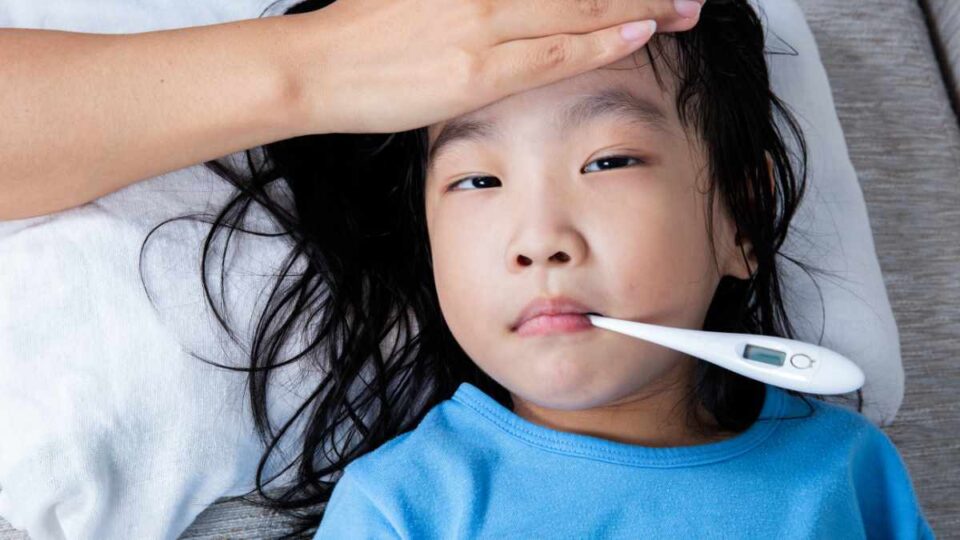
Fever is one of the most common reasons parents bring their children to the doctor. It’s a natural response by the body to fight off infections, but it can also be worrying, especially when it lasts longer than expected. If you’re wondering, “How long does a fever usually last in children?,” you’re not alone.
Understanding the typical duration of a pediatric fever, its causes, and when to seek medical help can bring peace of mind and help you manage your child’s recovery more confidently.
What Is a Fever?
A fever is defined as a temporary increase in body temperature, usually due to an infection. In children, a fever is generally considered to be a temperature of:
- 38°C (100.4°F) or higher when measured with a thermometer
Fever itself isn’t an illness, it’s a symptom. It signals that the body’s immune system is working to fight off viruses or bacteria.
Typical Duration of a Fever in Children
In most cases, fever in children caused by a common viral infection, such as the flu, the common cold, or hand, foot and mouth disease, lasts between 2 to 3 days, and may occasionally stretch up to 4 or 5 days. The exact duration depends on:
- The type of infection (viral vs bacterial)
- The child’s age and immune strength
- Whether they are receiving treatment
For example:
- Viral infections (which are most common): Fever typically lasts 2–3 days
- Bacterial infections (like strep throat or urinary tract infections): May last longer and require antibiotics
- Post-vaccination fever: Often mild and usually goes away within 1–2 days
If your child is otherwise active, drinking fluids, and gradually improving, a fever lasting a few days is usually not a cause for alarm.
When Should You Be Concerned?
While most fevers are harmless, there are situations where medical attention is necessary. Seek help if:
- The fever lasts more than 5 days
- Your child is under 3 months old and has a fever above 38°C
- The fever is above 40°C
- Your child has a febrile seizure
- They show signs of lethargy, irritability, difficulty breathing, or persistent vomiting
- The fever goes away and then returns a few days later, which may signal a secondary infection
Always trust your instincts. If your child looks very unwell or you’re unsure, it’s best to consult a doctor.
Managing Fever at Home
Most fevers can be managed at home with a few simple steps:
1. Hydration is Key
Fever can lead to dehydration. Offer your child plenty of fluids like water, soup, or oral rehydration drinks. Breastfed babies should nurse more frequently.
2. Rest and Comfort
Let your child rest as much as they need. Don’t force activity or play when they’re not feeling well.
3. Use Fever-Reducing Medication
If your child is uncomfortable, paracetamol or ibuprofen (in age-appropriate doses) can help bring the fever down. Always follow dosage instructions or consult your GP or pharmacist.
4. Avoid Over-Bundling
Dress your child in lightweight clothing and use a fan or cool room to help regulate their temperature.
Fever and Infections Common in Singapore
In Singapore’s tropical climate, children are frequently exposed to viruses like:
- Influenza
- Hand, foot and mouth disease
- Dengue
- COVID-19
- Respiratory infections
Each of these illnesses can cause fever of varying durations. Dengue, for example, may cause high fever for 3–5 days, while hand, foot and mouth disease typically involves fever for the first 2–3 days before rashes appear. Keeping your child’s vaccinations up to date and practising good hygiene are essential in reducing their risk of infections and related fevers.
Fever After Vaccination
Mild fever after childhood vaccinations is common and expected. It usually appears within 24 hours and resolves within 1–2 days. This type of children fever is a normal response as the body builds immunity. Unless it’s very high or prolonged, it generally doesn’t require special treatment beyond fluids and rest.
Conclusion
So, how long does a fever usually last in children? Most of the time, the answer is just a few days, especially when it’s caused by a mild viral infection. While a fever may seem alarming, it’s often a sign that your child’s body is doing what it should.
Monitoring your child’s symptoms, keeping them hydrated, and knowing when to seek medical attention are key to managing fever effectively. If ever in doubt, don’t hesitate to check in with your family doctor or paediatrician. Fever may be part of growing up, but with the right care, your child will bounce back in no time.
