
Key Takeaways
- Snoring in children can signal blocked airflow, not just harmless noise during sleep.
- Irregular breathing patterns at night can disrupt rest and affect next-day energy.
- Ongoing snoring paired with fatigue may point to airway issues needing attention.
- Early checks can help identify causes and prevent repeated sleep disruptions.
Introduction
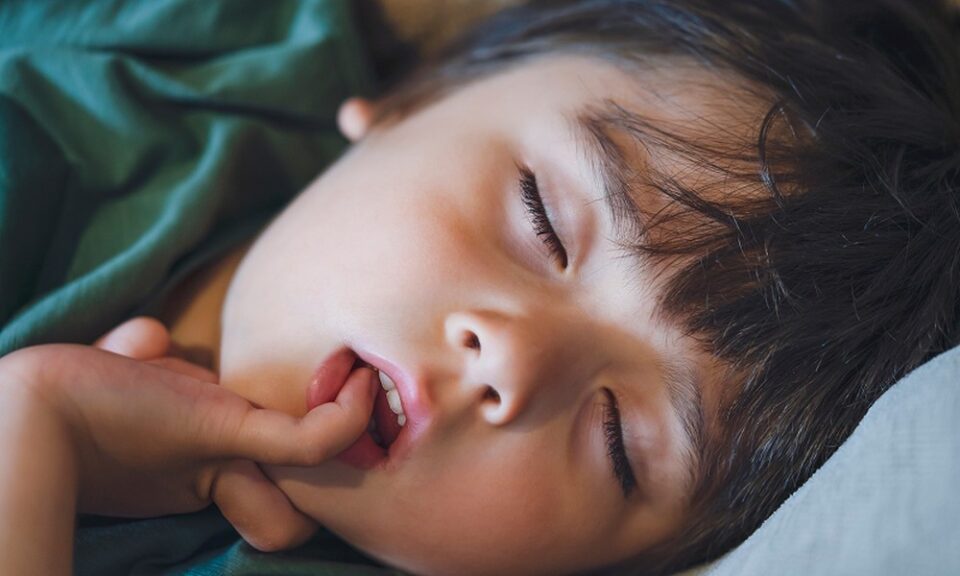
Some nights carry a low rumble that blends into the background, yet it can hint at something worth checking. You may catch uneven breathing, notice constant shifting, or see your child sleep with an open mouth. Brushing it off feels easy, though repeated noise during rest can signal restricted airflow. A closer look helps connect these patterns to what unfolds during the night, especially when a pediatric ENT in Singapore is involved.
What Snoring Can Signal During Sleep
Airflow Meets Resistance
Snoring appears when air struggles to move freely through the airway. Narrow passages in the nose or throat create vibration, producing that familiar sound. It may seem minor, yet it reflects extra effort during breathing. Locating the source of resistance becomes clearer after a review with an ENT specialist in Singapore.
Irregular Breathing Patterns
Alongside snoring, breathing can lose consistency. Short pauses followed by deeper breaths may occur without drawing attention straight away. You might hear silence, then a sudden intake of air. Whether these changes relate to obstruction can be evaluated with a pediatric ENT in Singapore.
How Snoring Affects Rest and Recovery
Sleep That Feels Incomplete
Time in bed may not translate to proper rest when breathing is disrupted. Lighter sleep replaces deeper stages, leaving recovery unfinished. Your child may wake up feeling worn out despite enough hours. Connections between tired mornings and night-time breathing can be explored with an ENT specialist in Singapore.
Changes in Energy and Mood
Lower energy levels or irritability can follow disrupted rest. Your child may seem slower, less engaged, or easily distracted. It may not look linked at first, yet breathing quality plays a role. Daytime behaviour changes linked to snoring can be assessed through a pediatric ENT in Singapore.
Common Causes Behind Snoring
Enlarged Tonsils or Adenoids
Extra tissue in the throat can reduce space for airflow. Breathing through a narrowed passage creates sound and effort. Heavier breathing or snoring may follow. During an evaluation, an ENT specialist in Singapore can check whether these areas are contributing.
Nasal Congestion or Blockage
Blocked nasal passages can shift breathing toward the mouth, changing airflow patterns during sleep. Congestion from irritation or illness can make airflow uneven. Noise may develop when air moves through a less stable path. Whether nasal blockage plays a role can become clearer after a check with a pediatric ENT in Singapore.
What Parents Can Look Out For
Repeated Snoring Across Nights
One noisy night may pass unnoticed, yet sound that returns night after night forms a clear pattern. Track how frequently it happens, not just how loud it sounds. Note timing, duration, and any pauses in breathing. A short log over a week can reveal trends that are easy to miss during busy routines.
Movement and Position Adjustments
Frequent turning, head tilting, or sleeping with the neck extended can signal a search for easier airflow. Pillows get pushed aside, and positions change as breathing shifts. Watch for restless stretches that break the night into smaller chunks. Consistent movement like this can point toward airway difficulty.
When to Seek a Check
Patterns That Continue Without Change
Ongoing snoring that shows up most nights and doesn’t ease with simple changes calls for a closer look. Notice if pauses, gasps, or sudden breaths appear alongside the noise. A review helps identify where airflow is restricted and what may be driving it, so next steps feel clear.
Daytime Effects Linked to Sleep
Morning grogginess, reduced attention, or quick frustration can follow disrupted rest. School tasks may feel harder, and play may slow down. Linking daytime signs with night-time patterns gives a fuller picture. An ENT specialist in Singapore can assess how airflow during sleep connects with these daytime changes.
Conclusion
Snoring can seem harmless, yet it may reflect breathing patterns that need attention. Repeated noise, restless nights, and low energy can all connect to airflow during sleep. Catching these signs early helps prevent ongoing disruption and keeps daily routines running smoothly.
Contact Dr Leslie Koh today to have your child’s sleep and breathing checked and to receive practical advice that fits your child’s needs.
