
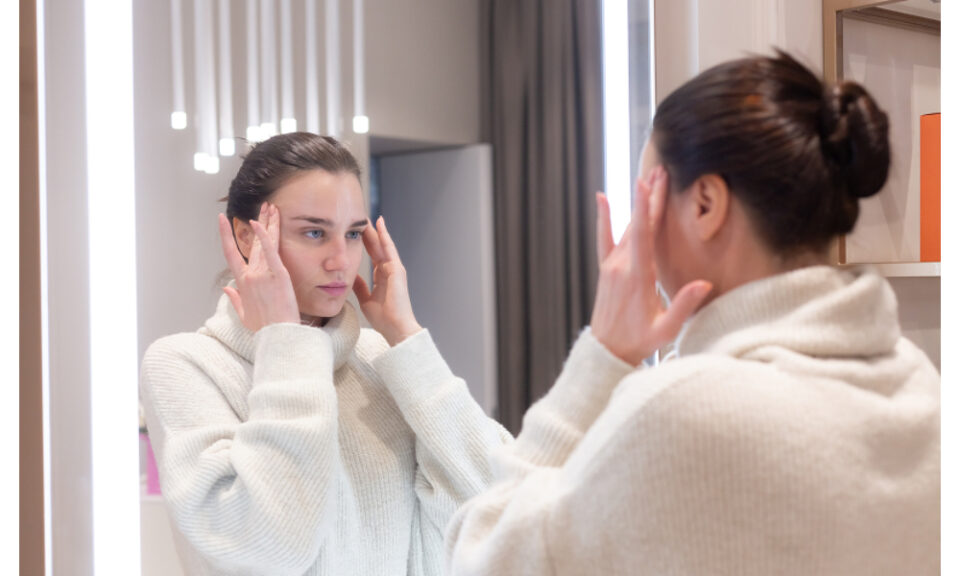
Eye bags are a common concern across both genders, but they do not always present in the same way. Treatment planning for under-eye concerns at an aesthetic clinic in the city-state often differs between men and women due to variations in facial anatomy, skin behaviour, ageing patterns, and aesthetic expectations. Knowing these differences helps explain why eye bag treatment is rarely a one-size-fits-all solution.
Eye Bag Treatment Considerations for Men
Eye bags in men are frequently linked to deeper-set eyes, thicker skin, and stronger facial bone structure. The under-eye area in male patients often shows more pronounced fat protrusion rather than fine creasing or hollowing. This instance means men’s eye bag treatment in Singapore is commonly focused on addressing structural bulges rather than surface-level texture issues. Treatments that aim to reposition or reduce protruding fat are often considered more appropriate than those designed primarily for skin refinement.
Another key consideration is maintaining a masculine facial profile. Overcorrection under the eyes can soften the face in a way that appears unnatural for male patients. Due to this, aesthetic clinic practitioners tend to adopt a conservative approach when treating men, prioritising subtle correction and avoiding excessive volume restoration. The goal is usually to reduce heaviness and tiredness without altering natural contours or facial definition.
Lifestyle factors also play a role. Men may experience eye bags that are more influenced by sleep patterns, stress, or alcohol consumption, which can cause fluid retention and under-eye puffiness. Treatment planning, in such cases, often includes distinguishing between temporary swelling and true fat prolapse. Results may be short-lived or inconsistent without this assessment, particularly if the underlying cause is not structural.
Eye Bag Treatment Considerations for Women
Eye bags in women are more commonly associated with skin thinning, collagen loss, and gradual volume depletion around the eyes. Instead of prominent fat bulges, many female patients present with a combination of mild puffiness, tear trough hollowing, and fine lines. Eye bag treatment for women, therefore, tends to involve balancing volume support with skin quality management, rather than focusing on fat reduction alone.
Hormonal changes, particularly during pregnancy or menopause, can also affect fluid retention and skin elasticity around the eyes. These factors are often taken into account at an aesthetic clinic in Singapore when determining treatment timing and modality. The under-eye area, for women, may fluctuate in appearance over time, requiring a more adaptive treatment plan rather than a single corrective procedure.
Aesthetic expectations differ as well. Female patients often seek brighter, smoother under-eye contours that blend seamlessly into the mid-face. This situation requires careful attention to symmetry and gradual correction, especially in the tear trough region. Overly aggressive treatment can lead to uneven texture or unnatural fullness, which is why practitioners usually adopt a staged approach for women.
Why Gender-Based Assessment Matters
While the biological differences between men and women are not absolute, they significantly influence how eye bags form and how they should be treated. An aesthetic clinic typically evaluates factors such as skin thickness, fat distribution, bone structure, and ageing trajectory rather than relying solely on gender. However, gender-based trends help guide clinical decision-making and reduce the risk of inappropriate treatment selection.
Ignoring these differences can result in outcomes that look disproportionate or fail to address the root cause of eye bags. Effective eye bag treatment depends less on the patient’s gender alone and more on how gender-related anatomical traits interact with individual ageing patterns.
Conclusion
Eye bag treatments do work differently for men and women, largely due to variations in facial structure, skin behaviour, and aesthetic priorities. A targeted assessment at an aesthetic clinic in Singapore allows treatments to be planned according to these differences rather than applying generic solutions. Remember, for both men and women, an appropriate diagnosis remains the key factor in achieving functional and balanced results from eye bag treatment.
Contact Halley Medical Aesthetics to know which eye bag treatment is appropriate for your facial profile.
